
Legal Basement Apartments in Richmond Hill: Rules, Permits and What Buyers Should Check
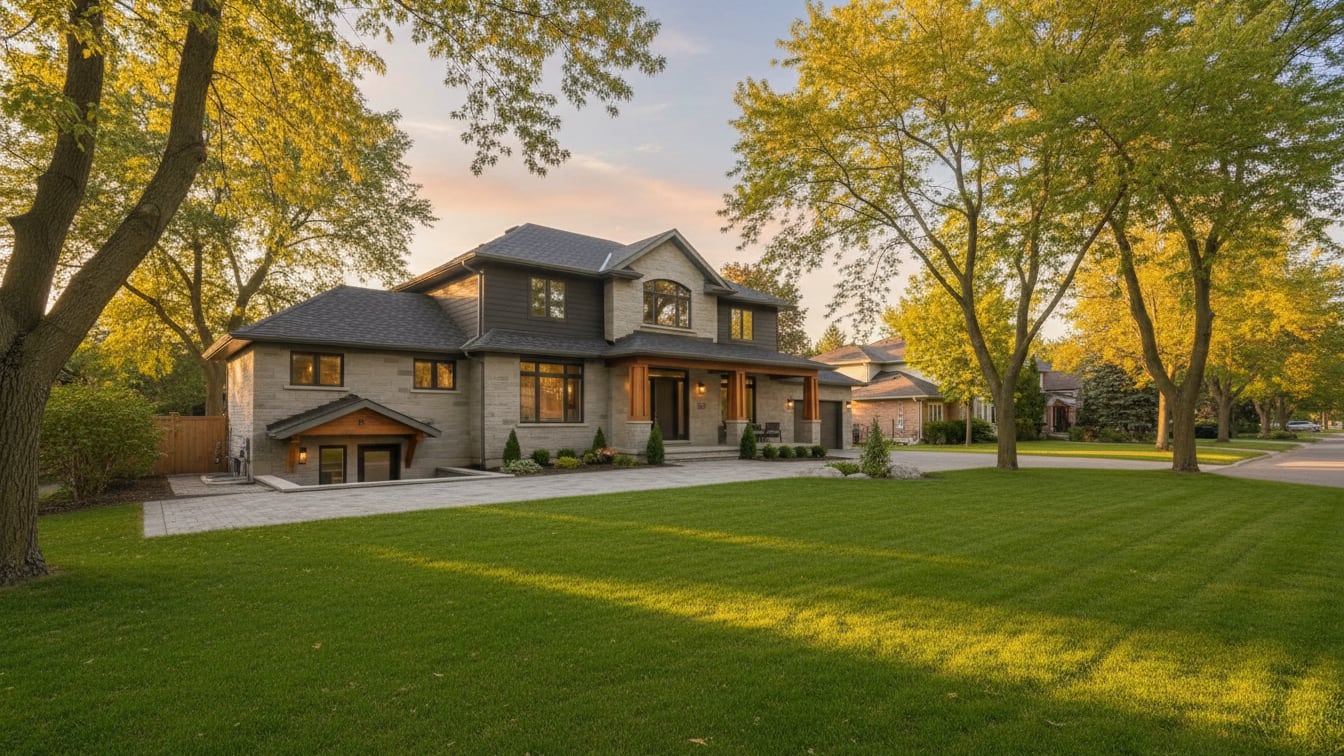
Basement apartments are common in Richmond Hill. Some homeowners rent one out to help with the mortgage; others create a unit for parents or adult children. Buyers frequently see listings advertising a "separate entrance" or "income potential." But there is an important difference between a legal, permitted unit and one that was built without approvals. This guide explains the current rules in Richmond Hill and what to check before you buy or build.
What the province changed
Ontario's More Homes Built Faster Act, 2022 (Bill 23) amended provincial planning law so that many residential lots can have up to three residential units, for example a second unit in the main house and a third in an accessory building, subject to building code, zoning and servicing requirements (ontario.ca, More Homes Built Faster Act, 2022, accessed October 2026). Municipalities can allow more.
Richmond Hill's rules
Richmond Hill permits additional residential units (ARUs). According to the city, its By-law 143-24 allows up to three additional units plus the primary dwelling, for a total of four units, with no more than two in an accessory building (City of Richmond Hill, accessed October 2026). The city also publishes pre-approved reference models for detached ARUs to help homeowners plan backyard units. Zoning, lot size, parking and servicing still matter, so check with the city for your specific property.
Why permits matter
Building or converting a unit generally requires a building permit and must meet Ontario Building Code and Fire Code requirements. Key safety items include:
- Fire separations between units.
- Smoke and carbon monoxide alarms.
- Safe exits and windows of a minimum size.
- Adequate ceiling height.
- Proper electrical, plumbing and heating.
An unpermitted unit can create problems with insurance, safety and resale. The city may require changes or removal, and a tenancy in an unsafe unit can carry serious risks.
Buying a home with a basement apartment
If you are buying a home advertised with a basement apartment, ask for evidence that it was built with a permit and passed inspections. Steps to consider:
- Ask the seller for permits and final inspection records.
- Check with the city for open or closed permits on the property, with the owner's consent if required.
- Have your home inspector examine the unit, with attention to fire separations, exits and electrical work. Our home inspection guide covers what inspectors look for.
- Review existing tenancies. If the unit is rented, the tenant has rights under the Residential Tenancies Act, and you generally buy subject to the tenancy. Your lawyer should review the lease and any notices.
- Talk to your insurer about coverage for a home with a rental unit.
- Talk to your lender about whether rental income can be counted for qualification.
Adding a unit after you buy
If you plan to add a unit, budget for design, permits, construction and potential upgrades to services. Get advice from a designer or contractor familiar with Richmond Hill's requirements before you buy, since some homes are better suited than others: ceiling height, separate entrance options and lot layout can make a large difference in cost.
Rental income: realistic expectations
Rental income can help with carrying costs, but it is not guaranteed. Vacancies, repairs, insurance and taxes reduce net income, and rental income is taxable. Plan your budget so that you can carry the home without relying entirely on rent. For a broader view of investing, see our post on long-term residential property investment in the GTA.
Being a landlord in Ontario
Renting out a unit makes you a landlord under Ontario's Residential Tenancies Act. That brings responsibilities: using Ontario's standard form of lease for most residential tenancies, following the rules on rent increases, providing proper notice for entry, maintaining the unit and following the legal process for ending a tenancy. Tenants have strong protections, and disputes are handled by the Landlord and Tenant Board. Before you rely on rental income, learn the basics or get advice from a lawyer or paralegal who practises in this area.
Insurance and taxes
Tell your insurer that the property has a rental unit. A standard homeowner policy may not cover a rented unit, and an undisclosed unit can create problems with a claim. Rental income must be reported on your tax return, and you may be able to deduct certain expenses. Converting part of your principal residence to a rental can also have tax implications; ask an accountant before you start.
A checklist for a buyer comparing homes
- Permits and inspection records for the existing unit.
- Ceiling height, windows and exits in the basement.
- Separate entrance and fire separation.
- Parking that meets the city's requirements.
- Electrical capacity and separate heating or cooling controls.
- Current tenancy terms and rent, if occupied.
A permitted unit can be a valuable feature, and the city's newer rules give homeowners more options than before. The key is to verify, not assume.
Living with a second unit
Sharing a property with a tenant or family members works best with clear arrangements. Agree on shared spaces such as laundry, driveways and the yard, and on who handles snow clearing, garbage and lawn care. Separate utility metering is not always practical, so decide how utilities will be shared and put it in writing. Soundproofing between floors and good ventilation make a big difference to comfort on both sides. For family arrangements, it can also help to agree on what happens if circumstances change, such as a family member moving out or the need to rent the unit to someone else.
Frequently asked questions
How many units are allowed on a residential lot in Richmond Hill?
According to the City of Richmond Hill, By-law 143-24 allows up to three additional residential units plus the primary dwelling, with no more than two in an accessory building.
Do I need a permit for a basement apartment in Richmond Hill?
Building or converting a unit generally requires a building permit and must meet Building Code and Fire Code requirements.
How can I tell if a basement apartment is legal?
Ask for permits and final inspection records, check with the city and have your home inspector examine the unit.
Can I count basement rental income for my mortgage?
Some lenders count part of rental income for qualification. Ask your lender, and do not rely entirely on rent to carry the home.
General information only, not legal, tax or financial advice. Figures were checked against the sources linked above in October 2026 and can change; confirm your own numbers with your real estate lawyer, accountant or lender before you sign anything.
Farshad Fazaeli, Salesperson, International Realty Firm, Inc., Brokerage, 647-667-5555 · Richmond Hill, ON
Richmond Hill & GTA · International Realty Firm, Inc., Brokerage
647-667-5555 · info@melk.ca