Bought a Pre-Construction Condo in Ontario? You Have 10 Days to Reconsider
The Excitement and the Pause: Navigating Your Pre-Construction Purchase
Signing an agreement for a pre-construction condominium is an exciting step. You’re investing in a brand-new space that has yet to be built, often in a developing and desirable area. However, this type of purchase comes with unique considerations and risks compared to buying a resale property. Recognizing this, Ontario law provides a critical consumer protection measure specifically for buyers of new condominiums: a 10-day cooling-off period.
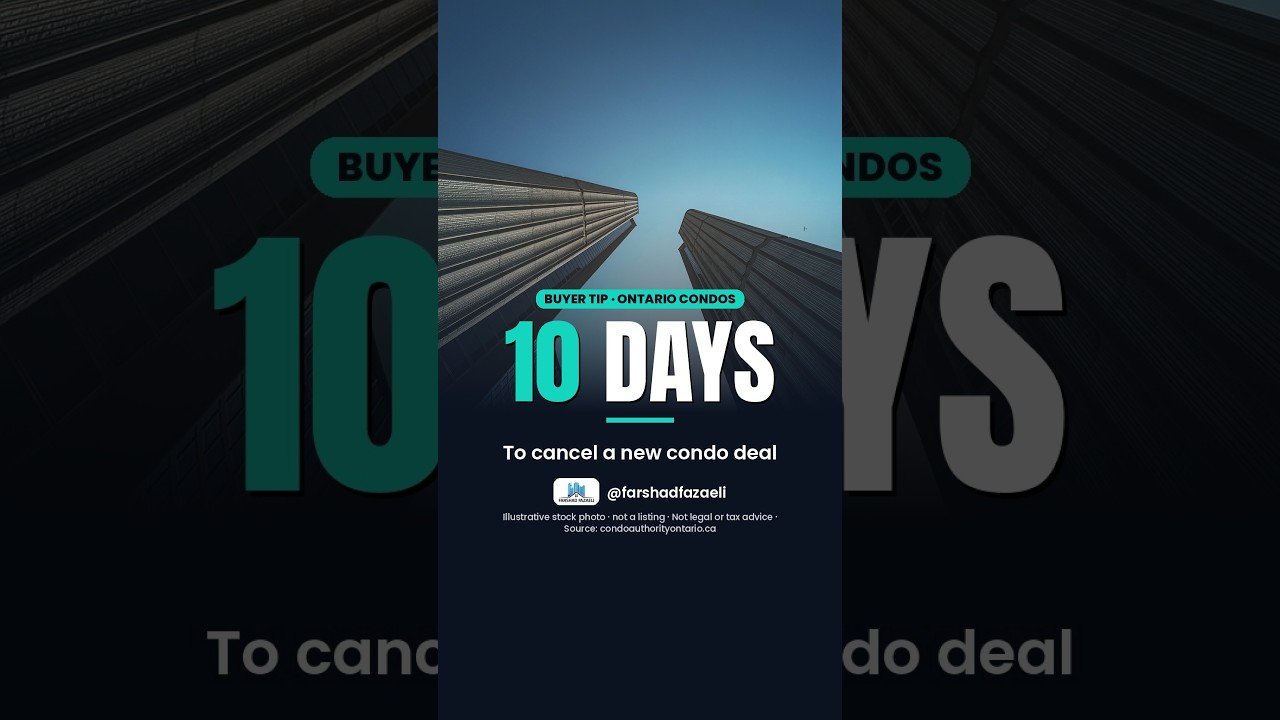
This statutory right, outlined in the Condominium Act, 1998, gives you a ten-day window to reconsider your purchase without penalty. It’s a crucial time for due diligence, allowing you to move past the initial excitement and ensure the decision is right for you. It is important to note that this protection does not apply to resale condos; for those properties, a buyer must create their own 'cooling-off' period by including conditions in their offer, such as financing or a status certificate review.
Understanding the 10-Day Cooling-Off Period Rules
The 10-day cooling-off period is a powerful right, but it operates on a strict timeline and is triggered by specific events. Understanding the mechanics is essential to using this period effectively.
When Does the 10-Day Clock Start?
The countdown does not begin the moment you sign the initial papers at the sales centre. According to the Condominium Authority of Ontario (CAO), your purchase agreement is not binding, and the 10-day period does not start, until you have received all of the following from the builder:
- A copy of the fully signed Agreement of Purchase and Sale.
- The Disclosure Statement for the condominium project.
- Ontario’s Residential Condominium Buyers’ Guide.
Once you have received the last of these documents, the 10-day clock begins. These are calendar days, not business days.
How to Rescind the Agreement
If you decide to cancel the purchase, you must provide written notice of rescission to the builder or their representative within the 10-day period. You do not need to provide a reason for your decision. After receiving your notice, the builder is obligated to refund your deposit in full, along with any interest it has accrued. The interest rate applicable in this scenario is calculated at two per cent below the bank rate set by the Bank of Canada.
Your 10-Day Due Diligence Checklist
This ten-day window is your opportunity to conduct thorough due diligence. It is strongly recommended that you use this time to have all documents reviewed by a lawyer with expertise in pre-construction real estate.
Key Documents to Scrutinize
Your lawyer will review a package of documents that contains critical information about your purchase and the future condominium corporation. These documents, as outlined by the CAO, include:
- The Pre-construction Agreement of Purchase and Sale: This is the main contract detailing your rights and obligations, as well as the builder's.
- The Disclosure Statement: This is a comprehensive document providing details about the future condo corporation. As per Section 72 of the Condo Act, it includes a copy of the proposed declaration, by-laws, and rules; a summary of agreements the builder will enter into (like management contracts); and the budget for the corporation's first year of operation.
- The Condominium Home Addendum: This document, which is part of the purchase agreement, clarifies occupancy dates. If there are any inconsistencies with the main agreement, the Addendum prevails. It contains the Statement of Critical Dates.
- Statement of Critical Dates: This sets out when the builder expects to finish your unit, including the Firm Occupancy Date and the latest possible Outside Occupancy Date. These dates are crucial for understanding potential delays.
- Tarion Warranty Information Sheet: This outlines the warranty protections that come with your new condo unit.
A legal review will help you understand clauses related to closing costs, potential delays, and the builder's ability to make changes to the unit or building.
The Builder's Obligations and What Happens After Day 10
Once the 10-day period expires, your agreement becomes firm and binding (subject to any other conditions). From this point on, you are committed to the purchase. The builder also has ongoing obligations they must meet.
Generally, any funds you pay to the builder, such as your deposit, must be held in trust. This provides a layer of security for your investment. Furthermore, Tarion provides deposit protection for up to a maximum of $20,000 should your deposit not be refunded when required. It's also important to understand that the purchase agreement outlines conditions under which the builder could cancel the entire project, such as a failure to sell enough units, an inability to secure financing, or delays in obtaining building approvals. In most of these cases, buyers are entitled to get their deposit back with interest.
Understanding Interim Occupancy
A unique aspect of pre-construction is the interim occupancy period. This occurs when your unit is ready to be lived in, but the condominium corporation has not yet been officially registered with the Land Registry Office. During this time, you can take occupancy of the unit, but you don't yet own it, and you cannot make mortgage payments.
Instead, you are required to pay the builder a monthly interim occupancy fee. This fee is not rent. By law, it cannot be more than the total of:
- The monthly interest on the unpaid balance of your purchase price.
- The estimated monthly municipal taxes for your unit.
- The projected monthly common expense fees for your unit.
You must pay this fee whether you move into the unit or not, until the building is registered and the ownership title is transferred to you, an event known as final closing.
The Bottom Line: A Powerful but Limited Tool
The 10-day cooling-off period is an invaluable right for anyone buying a pre-construction condo in Ontario. It provides a no-penalty opportunity to review complex documents, secure financing, and reflect on one of the biggest financial decisions of your life. This safety net is a key difference between buying new from a builder and purchasing a resale property.
Use this time wisely. Engage a real estate professional and a lawyer to guide you through the documents and the process. Being prepared allows you to make an informed and confident decision, ensuring your investment is sound from day one.
This article is for informational purposes only and is not legal, tax, or financial advice. Real estate laws and regulations can change. For the most current information, consult official sources like the Condominium Authority of Ontario or a qualified professional.
Questions about your situation? Call or WhatsApp 647-667-5555 or visit fazaeli.ca.
Educational information only, not legal, tax or financial advice. Farshad Fazaeli, Sales Representative, International Realty Firm, Inc., Brokerage.
FAQ
Does the 10-day cooling-off period apply to resale condos or houses?
No. The statutory 10-day cooling-off period is a right specific to the purchase of new condominium units from a builder in Ontario. For resale properties, buyers can create a similar period for due diligence by making their offer conditional on factors like financing or inspection.
When does the 10-day period officially start?
The 10-day period begins only after you have received all of the required documents from the builder: a copy of the fully signed purchase agreement, the Disclosure Statement, and Ontario’s Residential Condominium Buyers’ Guide.
Do I need to give a reason if I want to cancel my purchase within the 10 days?
No. You can rescind the agreement for any reason at all. You simply need to provide the builder with written notice of your decision to cancel within the ten-day timeframe.
What happens to my deposit if I cancel during the cooling-off period?
If you cancel in writing within the 10 days, the builder must refund your entire deposit, plus any accrued interest. The interest rate is prescribed by the Condominium Act.
What is a Disclosure Statement?
The Disclosure Statement is a comprehensive document provided by the builder that contains important information about the future condominium corporation. It includes the proposed declaration, by-laws, rules, a first-year budget, and a summary of key agreements.
What is interim occupancy?
Interim occupancy is the period when you can live in your pre-construction unit before the condo corporation is registered and you take legal ownership. During this time, you pay an interim occupancy fee to the builder, not a mortgage.
Richmond Hill & GTA · International Realty Firm, Inc., Brokerage
647-667-5555 · info@melk.ca