Living in East Gwillimbury: A Guide to Sharon, Holland Landing, Queensville and Mount Albert
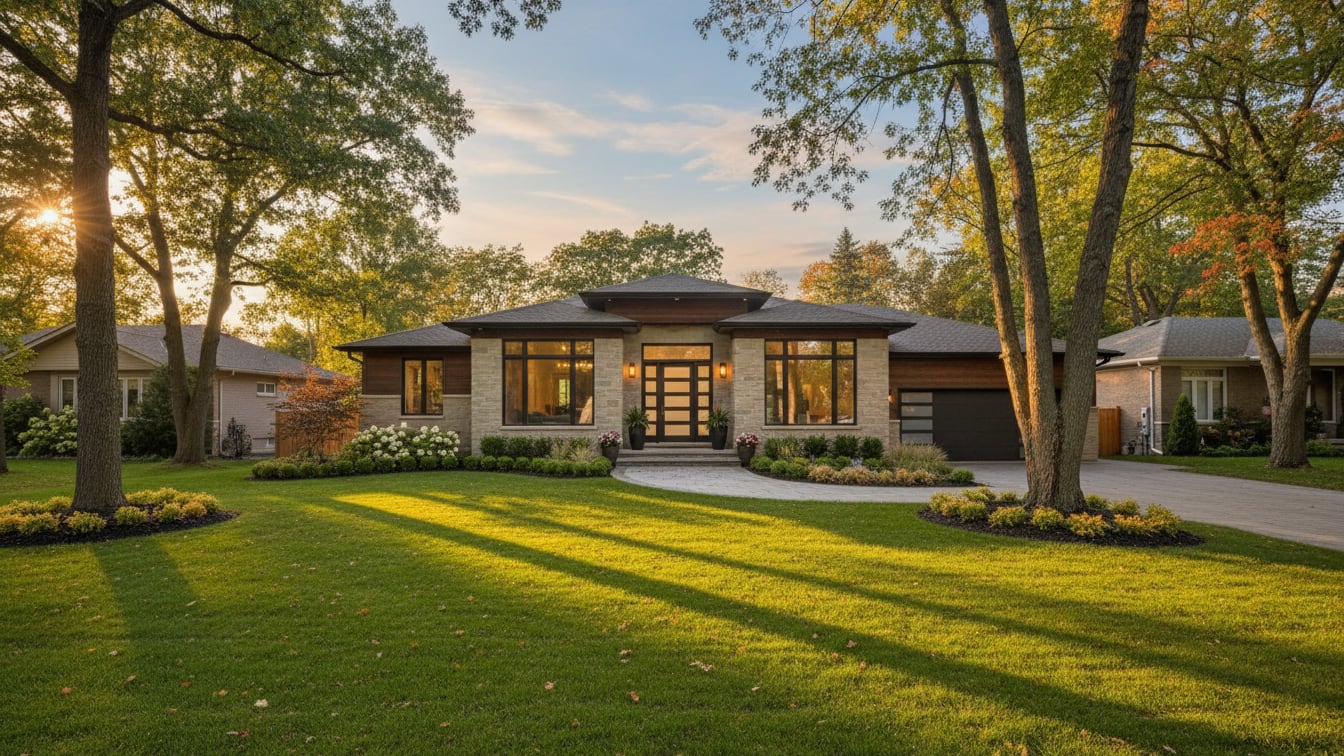
East Gwillimbury, just north of Newmarket, has changed quickly in recent years. Farmland and small villages have been joined by large new subdivisions, and more buyers from Richmond Hill, Markham and Toronto now include it in their search. It offers newer homes, open space and a quieter pace, with trade-offs in services and commuting that are worth understanding before you buy.
East Gwillimbury in numbers
East Gwillimbury had 34,637 residents in the 2021 Census, up 44.4% from 23,991 in 2016 (Statistics Canada, 2021 Census, accessed October 2026). That growth rate was far above the provincial average, and it reflects how many new homes were completed in that period. Growth continues, so expect active construction in parts of the town for years.
The communities
Sharon is in the centre of the town along Leslie Street, home to the historic Sharon Temple and many of the newer subdivisions. Housing is mostly newer detached homes and townhouses.
Holland Landing, in the west near Yonge Street and the Holland River, is an older village with a mix of older homes, newer infill and subdivisions. It has easy access to Newmarket's shopping and services.
Queensville, north of Sharon, has a small historic core and large newer subdivisions, close to Highway 404.
Mount Albert, in the east, is a small-town community with a historic main street, local schools and a rural setting.
Outside these communities, much of the town is rural, with farms, estate lots and natural areas, including parts of the Holland Marsh and the Oak Ridges Moraine in the south.
Getting around
East Gwillimbury GO Station, on the Barrie line, opened in 2004 and serves commuters heading south to Toronto (East Gwillimbury GO Station overview, accessed October 2026). Highway 404 runs along the eastern side of the core growth areas, and Yonge Street on the west links the town to Newmarket and Aurora. York Region Transit service is lighter than in the southern cities. Most residents drive, so test your commute at peak hours before buying.
Why buyers look here
- Newer homes: much of the housing stock is recent, which can mean fewer immediate repairs and remaining Tarion warranty coverage.
- Space: larger lots and homes are available in some areas compared with southern York Region.
- Proximity to Newmarket: Southlake hospital, Upper Canada Mall and other services are a short drive away.
- Outdoor access: trails, conservation areas and the Holland River are nearby.
What to check before you buy
- Construction nearby: look at the town's development map to see what is planned on nearby fields.
- Servicing: some rural areas rely on private wells and septic systems. Confirm the services for the exact property.
- Schools: fast growth can mean portables or students attending schools outside their immediate neighbourhood. Check with the school boards.
- Warranty status: for homes less than seven years old, check what Tarion coverage remains; see our Tarion warranty guide.
- Property taxes and fees: review the actual tax bill and any local improvement charges.
- Commute: test the drive or the GO trip at the times you will actually travel.
How it compares with neighbours
Buyers often compare East Gwillimbury with Newmarket and Aurora. Newmarket offers more established neighbourhoods and services within walking distance; East Gwillimbury tends to offer newer homes and more room. Our Newmarket neighbourhood guide and Aurora neighbourhood guide cover those towns. As with any area, prices and conditions change, so focus on fit rather than forecasts.
Living in a fast-growing town
Growth brings new parks, schools, shopping and community facilities over time, but those amenities can lag behind the arrival of new residents. In the early years of a subdivision, you may see construction traffic, temporary roads, mailbox delays and parks that are not yet finished. Ask the builder or the town about the expected timeline for nearby amenities, and look at older subdivisions in the same town to see how they developed.
Buying new versus resale in East Gwillimbury
New builds offer modern layouts and full warranty coverage, while resale homes in established parts of Holland Landing or Mount Albert may offer larger lots and mature trees. If you buy a new home, read our guide on pre-construction deposit structures before you sign, and check the builder's record with the HCRA directory. If you buy resale, arrange a home inspection and confirm any remaining warranty coverage.
Costs to plan for
Like the rest of York Region, East Gwillimbury has no municipal land transfer tax. Budget for Ontario's land transfer tax, legal fees and adjustments on closing, plus items specific to newer homes, such as finishing a basement, landscaping, fences and window coverings. Commuting costs, whether GO fares or fuel and wear on a vehicle, also add up over a year and are worth including when you compare towns. Finally, if the home is on a well or septic system, add regular testing and maintenance to your ongoing budget.
East Gwillimbury can be a good fit for buyers who want newer homes and space and who are comfortable with a town still in the middle of its growth. Visit at different times of day, talk to neighbours and look at what is planned around you before you decide.
Getting to know the town
East Gwillimbury's communities each have their own centres, so it helps to spend time in more than one. Walk the trails near the Holland River, visit the Sharon Temple grounds, drive through the newer subdivisions in Queensville and Sharon, and stop on Mount Albert's main street. Talk to residents at local parks or community events; they can tell you about traffic, schools and how the area has changed. Those conversations often reveal more about daily life than any listing photo.
Frequently asked questions
What is the population of East Gwillimbury?
East Gwillimbury had 34,637 residents in the 2021 Census, up 44.4% from 2016, according to Statistics Canada.
Does East Gwillimbury have a GO station?
Yes. East Gwillimbury GO Station is on the Barrie line. Check GO Transit for current schedules.
What communities make up East Gwillimbury?
The main communities are Sharon, Holland Landing, Queensville and Mount Albert, plus rural areas.
Is there a municipal land transfer tax in East Gwillimbury?
No. Like the rest of York Region, East Gwillimbury has no municipal land transfer tax; buyers pay only Ontario's provincial land transfer tax.
General information only, not legal, tax or financial advice. Figures were checked against the sources linked above in October 2026 and can change; confirm your own numbers with your real estate lawyer, accountant or lender before you sign anything.
Farshad Fazaeli, Salesperson, International Realty Firm, Inc., Brokerage, 647-667-5555 · Richmond Hill, ON
Richmond Hill & GTA · International Realty Firm, Inc., Brokerage
647-667-5555 · info@melk.ca