
Pre-Construction Deposit Structures in Ontario: How They Work and How They Are Protected
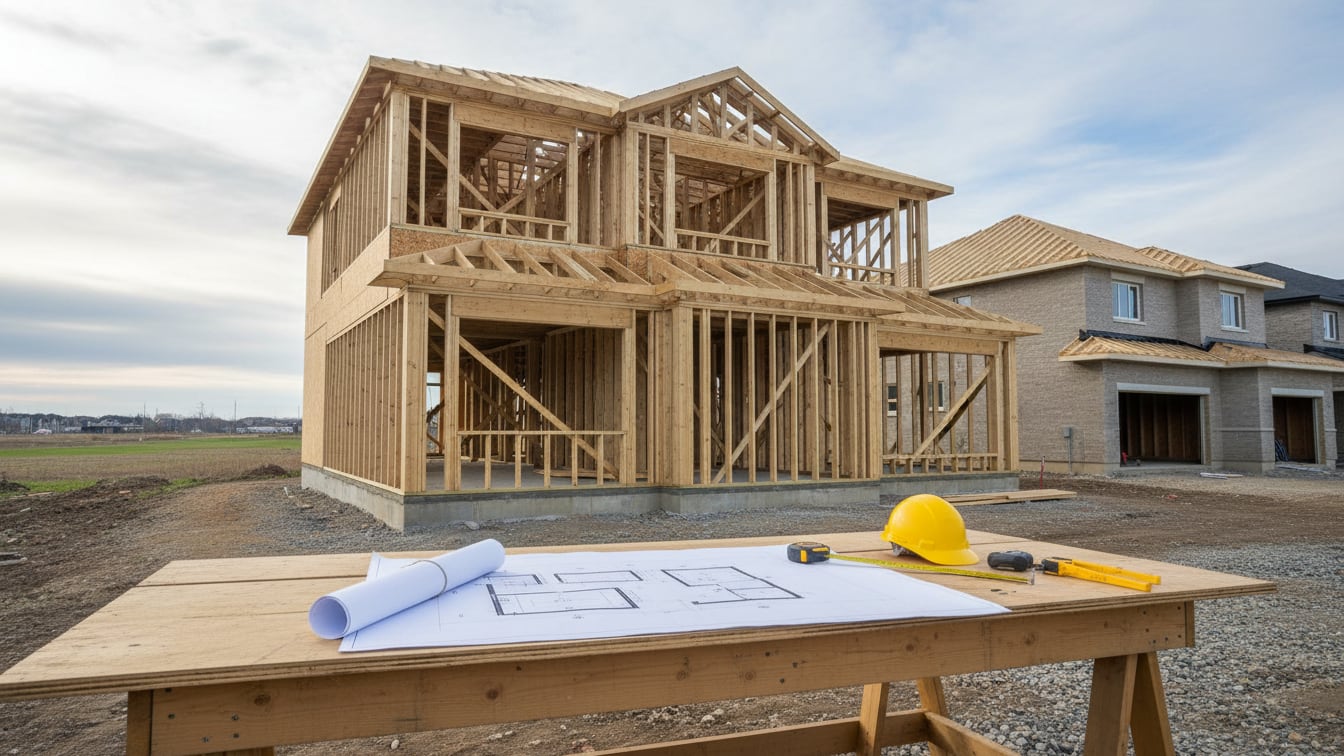
Buying a pre-construction home or condo in York Region usually means committing a large amount of money long before you get the keys. Instead of a single deposit, builders typically ask for a series of payments spread over months or years. Understanding how that schedule works, and how much of it is protected if something goes wrong, is essential before you sign. This guide covers the basics; it does not replace advice from a lawyer who reviews your specific agreement.
How deposit structures usually work
A deposit structure is the schedule of payments set out in the agreement of purchase and sale. A common pattern is a payment on signing, followed by further payments at set intervals, such as 30, 90, 180 and 365 days after signing, and sometimes a final deposit on occupancy. The total deposit for condos is often a significant share of the price, and freehold builders set their own schedules. Every builder is different, and structures vary with market conditions, so read the schedule closely and compare it with your cash flow.
Deposits are normally paid by cheque or bank draft to a trust account, often the builder's lawyer's trust account, and the agreement says where they go. Keep proof of every payment.
Deposit protection for freehold homes
For new freehold homes, Tarion's deposit protection is $60,000 if the purchase price is $600,000 or less; for homes above $600,000, it is 10% of the price up to a maximum of $100,000 (Tarion, Coverage before you close, accessed October 2026). That protection applies if the builder goes bankrupt or fundamentally breaches the agreement, subject to Tarion's rules. For freehold agreements signed on or after April 1, 2026, Tarion asks purchasers to register the purchase with Tarion within 45 days of signing; Tarion says the related changes to deposit coverage are deferred until January 1, 2027, after which late or unregistered purchases may get reduced coverage (Tarion, Coverage and claims before you move in, accessed November 7, 2026). Any amount you pay above the protected limit is at risk unless other protection applies, so ask the builder how deposits above the limit are held.
Deposit protection for condominiums
For new condominium units, Tarion protects deposits up to $20,000 (Tarion, accessed October 2026). Condo deposits above that amount are subject to separate rules under the Condominium Act, 1998, which generally require them to be held in trust or secured by deposit insurance. Your lawyer can confirm how deposits are protected for the specific project.
The 10-day condo cooling-off period
For new condos bought from a developer, Ontario law gives the buyer a 10-day period to cancel for any reason. The period begins once you have received the signed agreement, the disclosure statement and the Condo Buyers' Guide, and if you cancel in writing within that window, the developer must return your deposits without penalty (Condominium Authority of Ontario, accessed October 2026). Freehold homes do not have the same statutory cooling-off right, so a lawyer review condition is especially valuable there.
Planning your cash flow
- Map the dates. Put every deposit date on a calendar with the amount and source of funds.
- Do not rely on future savings alone. If a raise or bonus does not arrive, a missed deposit can put you in default.
- Know what happens if you default. The agreement usually allows the builder to keep deposits and claim further damages.
- Plan for closing too. Deposits do not cover the land transfer tax, HST adjustments, development charge adjustments or legal fees due on closing.
- Get a mortgage pre-approval early, while understanding that your final approval depends on your situation at closing.
If you might need to sell before closing
Some buyers plan to assign their purchase before closing. Assignments are governed by the builder's agreement and often carry fees and restrictions, and HST may apply. See our guide to HST on pre-construction assignments before counting on that option.
Checking the builder first
Deposit protection is a backstop, not a reason to skip due diligence. Before you sign, look up the builder and vendor in the HCRA Ontario Builder Directory and review their warranty history, as explained in our post on checking builder reputation in Ontario.
Questions to ask before you sign
- What is the full deposit schedule, including any deposit due on occupancy?
- Where will deposits be held, and how are amounts above Tarion's limits protected?
- Is there a cap on closing adjustments, such as development charges and utility connection fees?
- What is the firm occupancy or closing date, and what are the builder's rights to extend it under the Tarion addendum?
- Does the agreement permit assignment, and at what cost?
- What happens if I cannot get a mortgage at closing?
Lawyer review is worth it
Pre-construction agreements are long and written by the builder's lawyers. A real estate lawyer who regularly reviews builder agreements can explain the deposit terms, closing adjustments and default clauses, and point out anything unusual. For a condo, the 10-day cooling-off period gives you time to arrange that review. For a freehold home, try to negotiate a short lawyer review condition before the agreement becomes binding.
Keep a deposit file
Create a single folder, paper or digital, containing the signed agreement, every amendment, every receipt for a deposit cheque, and all correspondence about dates. If you ever need to make a claim, whether through the builder, Tarion or the courts, organized records will make a significant difference. Pre-construction can work well for buyers who plan carefully, but it rewards patience and preparation more than optimism.
Closing costs that come on top of deposits
Pre-construction buyers are sometimes surprised by the closing adjustments in builder agreements. Depending on the agreement, these can include development charge increases, utility meter and connection fees, Tarion enrolment fees, and charges for items such as landscaping or paving. Many buyers negotiate caps on these adjustments before signing. Ask your lawyer to estimate the total you will need on closing, in addition to the land transfer tax, so you are not caught short at the end of a long wait.
Frequently asked questions
How much of my freehold deposit does Tarion protect?
For homes priced at $600,000 or less, up to $60,000. For homes above $600,000, 10% of the price up to $100,000, according to Tarion.
How much of a condo deposit does Tarion protect?
Up to $20,000. Condo deposits above that are subject to separate Condominium Act rules.
Can I cancel a new condo purchase in Ontario?
Yes, within the 10-day cooling-off period after receiving the signed agreement, disclosure statement and Condo Buyers' Guide, by giving written notice.
What happens if I miss a deposit payment?
You may be in default under the agreement, and the builder may be able to keep deposits already paid. Read the default clauses and plan your cash flow carefully.
General information only, not legal, tax or financial advice. Figures were checked against the sources linked above in October 2026 and can change; confirm your own numbers with your real estate lawyer, accountant or lender before you sign anything.
Farshad Fazaeli, Salesperson, International Realty Firm, Inc., Brokerage, 647-667-5555 · Richmond Hill, ON
Richmond Hill & GTA · International Realty Firm, Inc., Brokerage
647-667-5555 · info@melk.ca