
Pre-Construction Assignment Sales in Ontario: How HST Applies, With a York Region Example
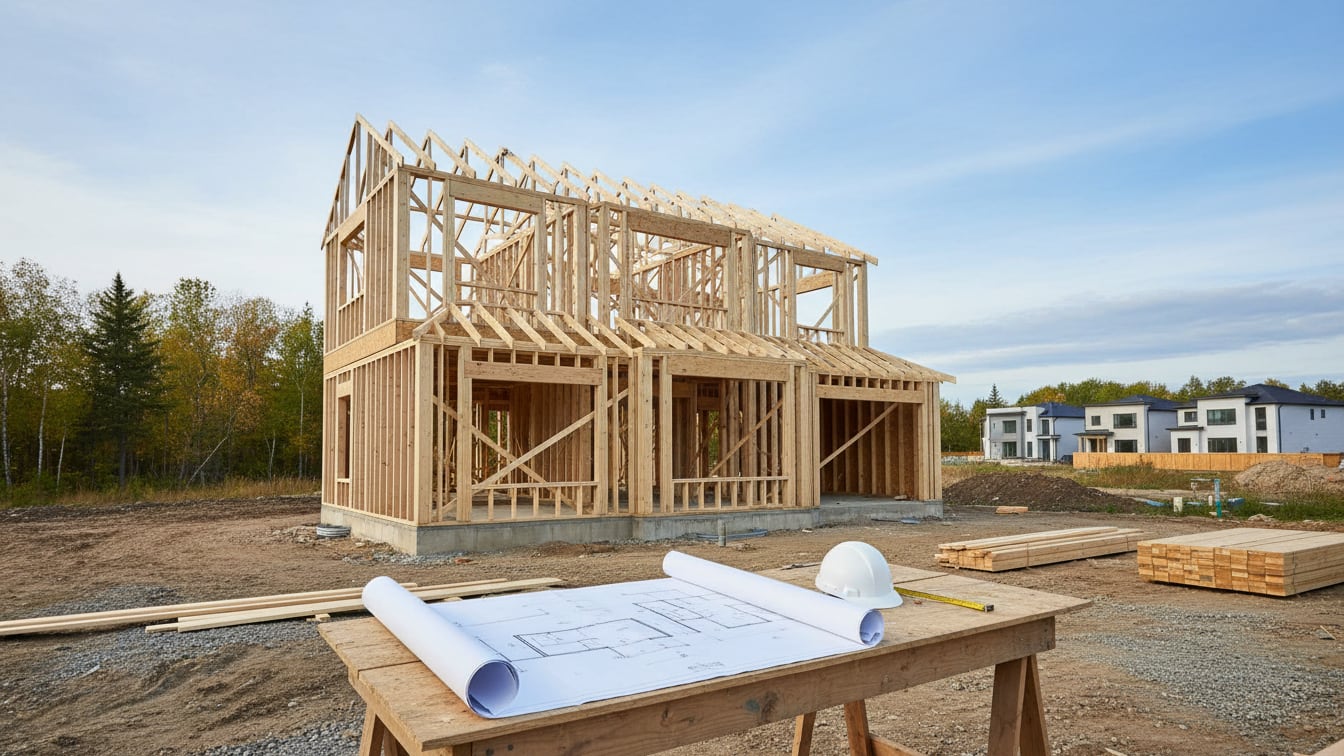
An assignment sale happens when someone who signed an agreement to buy a new home from a builder sells their rights under that agreement to someone else before the home is finished and registered. In York Region, where many buyers signed for condos and towns in Richmond Hill, Markham and Vaughan several years ago, assignments have become a common way to exit a purchase that no longer fits, whether because plans changed, financing tightened or the closing date moved.
The tax side catches many people off guard. This guide explains how GST/HST applies to assignments today, shows a worked example, and lists the questions to ask before you list or buy one. It is general information; an assignment is a legal and tax event, so involve a real estate lawyer and an accountant early.
The rule since May 7, 2022
Before 2022, whether an individual's assignment was taxable depended on why they originally bought: a buyer who intended to live in the home could often assign without HST, while someone who bought to resell had to charge it. That intent test produced a lot of uncertainty.
For assignment agreements entered into after May 6, 2022, the federal government made all assignment sales of newly constructed or substantially renovated residential housing taxable for GST/HST, including those by individuals (CRA, RC4052 GST/HST Information for the Home Construction Industry (accessed Oct 2026); CRA, GST/HST Notice 323 (accessed Oct 2026)). In Ontario that means the 13% HST.
What exactly is taxed: the deposit carve-out
The consideration for an assignment usually has two parts:
- Reimbursement of deposits the original buyer (the assignor) already paid to the builder.
- The assignment profit, any amount above those deposits.
Under the 2022 change, the amount attributable to the deposit is excluded from the taxable consideration only if it is expressly identified in writing in the assignment agreement as a reimbursement of the deposit (CRA, GST/HST Notice 323 (accessed Oct 2026)). If the agreement lumps everything into one number, HST can apply to the whole amount, deposit included. That single drafting detail can change the tax by tens of thousands of dollars.
Separately, an assignment fee charged by the builder for consenting to the assignment is generally itself subject to HST (CRA, Info Sheet GI-120 (accessed Oct 2026)).
Who collects and remits
In most cases the assignor is responsible for collecting the HST from the assignee and remitting it to CRA. Where the assignor is a non-resident who is not registered for GST/HST, the assignee may have to self-assess the tax instead (CRA, GST/HST Notice 323 (accessed Oct 2026)). Make sure the agreement states whether the price is inclusive or exclusive of HST and who remits; ambiguity here leads to disputes on closing.
A worked York Region example
Suppose a buyer signed in 2022 for a Markham condo at $800,000 and paid $160,000 in deposits (20%). In 2026 they agree to assign to a new buyer who will pay them $210,000: the $160,000 in deposits plus a $50,000 profit. The builder charges a $5,000 assignment fee plus HST. These are illustrative figures only.
| Scenario | Taxable consideration | HST at 13% |
|---|---|---|
| Deposit reimbursement identified in writing | $50,000 | $6,500 |
| Single lump sum, deposit not identified | $210,000 | $27,300 |
The difference, about $20,800, comes entirely from how the agreement is written. The builder's $5,000 fee would also attract $650 in HST.
The assignee then closes with the builder as the purchaser of record. Their land transfer tax is generally calculated on the total value they pay for the home, which can include the amount paid to the assignor, not only the builder's original price. Our guide to the Ontario land transfer tax refund shows how that tax is calculated.
Income tax is a separate question
HST is not the only tax. CRA's guidance is that profit from buying property with the intention of reselling, including selling a pre-construction home before completion, is fully taxable as business income (CRA, Report your real estate income (accessed Oct 2026)). For residential property sold or assigned after January 1, 2023, the residential property flipping rule generally treats a gain on property held less than 365 days as business income, subject to listed life-event exceptions. Many assignors have held their agreements longer than a year, but the intention test still applies. Talk to an accountant before you set an asking price so you know your after-tax result.
Practical checklist for assignors
- Read the assignment clause in your original agreement. Many builders prohibit marketing on MLS, require written consent, set a fee and limit when you can assign.
- Get the builder's statement of deposits paid, upgrades and any credits.
- Have your lawyer draft the agreement so the deposit reimbursement is clearly and separately identified.
- Clarify HST inclusive or exclusive pricing in the listing and the agreement.
- Budget the new-home HST rebate effect. If your original price assumed you would assign the rebate to the builder, the assignee's eligibility (for example, whether they will live there) can affect the closing adjustments. Ask your lawyer how this works on your file.
Practical checklist for assignees
- Confirm the builder's licence and record in the HCRA Ontario Builder Directory; our step-by-step builder check shows how.
- Get the full original agreement, all amendments and the latest occupancy and closing dates.
- Understand what you will owe on interim occupancy (for condos) and final closing adjustments, including development charges and Tarion enrolment fees if they are passed on.
- Make sure your lender is comfortable with an assignment and will appraise at the full price.
For broader context on new construction risk, our post on evaluating builder quality in the GTA is a useful companion.
Frequently asked questions
Is HST charged on a pre-construction assignment sale in Ontario?
Yes. For assignment agreements entered into after May 6, 2022, all assignment sales of newly constructed or substantially renovated residential housing are taxable for GST/HST, including assignments by individuals.
Is HST charged on the deposit portion of an assignment?
The amount attributable to the deposit paid to the builder is excluded from the taxable amount only if the assignment agreement expressly identifies it in writing as a deposit reimbursement. Otherwise HST can apply to the full amount.
Who pays the HST on an assignment?
Generally the assignor collects the HST from the assignee and remits it to CRA. If the assignor is a non-resident who is not registered, the assignee may have to self-assess.
Is the builder's assignment fee taxable?
A fee charged by the builder for consenting to the assignment is generally subject to GST/HST, according to CRA Info Sheet GI-120.
General information only, not legal, tax or financial advice. Figures were checked against the sources linked above in October 2026 and can change; confirm your own numbers with your real estate lawyer, accountant or lender before you sign anything.
Farshad Fazaeli, Salesperson, International Realty Firm, Inc., Brokerage, 647-667-5555 · Richmond Hill, ON
Richmond Hill & GTA · International Realty Firm, Inc., Brokerage
647-667-5555 · info@melk.ca